
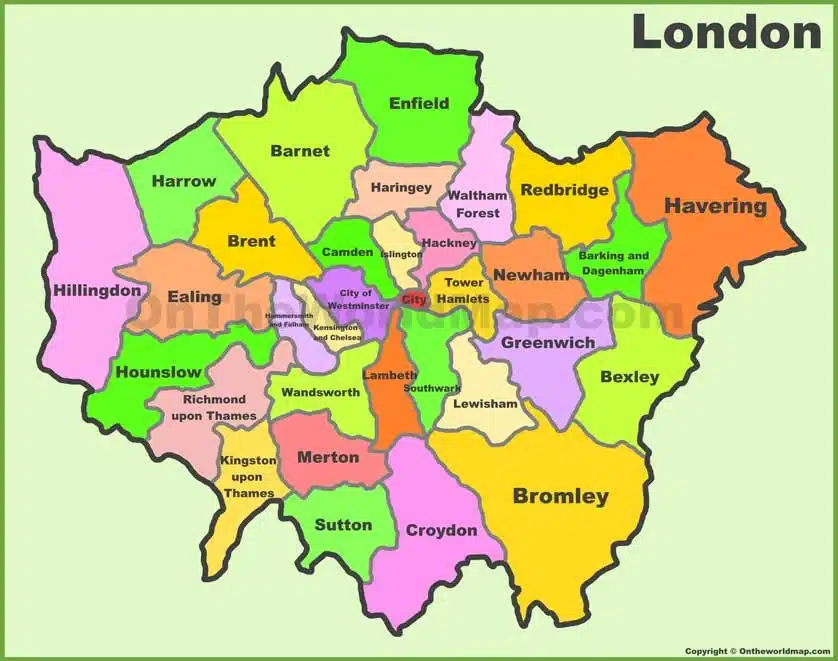

London is a city renowned for its diversity and vibrancy, and understanding its structure is key to appreciating its complexity. So, what is a London borough? These administrative divisions play a crucial role in local governance, each responsible for delivering services and managing resources for their communities.
There are 32 boroughs in London, alongside the City of London, which operates as a unique authority. Each borough reflects its own character and community identity, contributing to the rich tapestry of life in the capital. From the historic streets of Westminster to the cultural hubs of Camden, these divisions shape residents’ experiences daily.
Boroughs are essential for local decision-making, addressing issues such as housing, education, and transportation. They empower communities by allowing residents to engage with their local representatives and influence policies that affect their lives. This guide will explore the significance of London boroughs, their functions, and how they contribute to the capital’s identity, helping you navigate and understand this remarkable city.
The Structure of London Boroughs
London is divided into 32 boroughs, each serving as a distinct administrative area. These boroughs fall into two categories: inner and outer. Inner boroughs, such as Camden and Islington, are generally more densely populated and have a higher concentration of amenities. In contrast, outer boroughs, like Bexley and Croydon, tend to be larger in land area but less densely populated.
The size and population of each borough vary significantly. For instance, the City of Westminster, one of the smallest boroughs, has a population exceeding 250,000, while Barking and Dagenham, larger in area, accommodates around 210,000 residents. This diversity showcases the unique character of each borough, reflecting different social and economic profiles.
Borough councils manage local services and facilities, including education, transport, and housing. They are responsible for implementing policies that directly affect residents, such as waste management and public safety. Understanding the role of these councils is crucial for anyone looking to engage with local governance. For those considering building projects, reviewing essential guidelines like What Are Pre-Construction Services? Essential Steps Before Your Build can be beneficial.
Key Boroughs of London: A Brief Overview
London is home to 32 boroughs, each with distinct features that enrich the city’s cultural landscape. Westminster, for instance, is renowned for its historic landmarks, including the Houses of Parliament and Buckingham Palace. This borough not only serves as the political heart of the UK but also boasts a vibrant arts scene, with attractions like the National Gallery and the West End theatres.
Camden, on the other hand, is famous for its eclectic markets and lively music scene. The Camden Lock Market draws visitors with its diverse food stalls and unique crafts. Additionally, the borough is a hub for creative industries, fostering a dynamic local economy that supports artists and small businesses alike.
These boroughs exemplify London’s demographic diversity, attracting residents from various backgrounds. This melting pot of cultures is reflected in the cuisines, festivals, and community events throughout the area. For instance, Camden hosts the annual Camden Rocks festival, celebrating local music talent.
Understanding the unique characteristics of these boroughs can enhance your appreciation of London’s rich tapestry. For those interested in art and culture, you may also want to explore “Where Is the Swing Painting? Locating This Iconic Artwork in Your Home” for insights on integrating art into your living space.
The Role of London Boroughs in Local Governance
London boroughs play a vital role in the capital’s local governance framework. Each borough is governed by a council that makes decisions on a wide range of community services, including education, housing, and public health. This decentralised structure allows borough councils to tailor their policies to meet the specific needs of their residents.
Decision-making within these councils occurs through elected representatives who engage in discussions and debates. Local elections, held every four years, empower residents to choose their councillors, making these elections significant for local democracy. Voter turnout can influence the direction of policies that directly affect daily life, from waste management to public transport.
Boroughs are responsible for various community services, ensuring that essential needs are met. For example, they oversee social services, leisure facilities, and local planning. Understanding what a London borough does can also be beneficial for homeowners considering renovations or repairs. Familiarity with local regulations can facilitate smoother projects, as explained in our article on What Does a Home Contractor Do? Key Services and Responsibilities Explained.
Conclusion: The Importance of London Boroughs
In summary, understanding what a London borough is essential for both residents and businesses. Each borough fosters local identity and governance, enabling communities to engage meaningfully with their representatives. This connection influences policies and services that directly affect daily life.
As you explore the diverse characteristics of each borough, you will uncover a wealth of history, culture, and community spirit. This exploration can deepen your appreciation for London’s unique tapestry.
Moreover, the borough system is not static; ongoing changes and developments continuously reshape it. Keeping abreast of these changes is vital, especially for homeowners considering renovations or repairs. Understanding local regulations can streamline your projects. For instance, knowing the best insulation options for your home can significantly improve energy efficiency—see our article on Best Types of Home Insulation: How to Choose the Right Insulation for Every Part of Your House.
In conclusion, engaging with your local borough enriches your experience of London, making it a more connected and informed city.


