
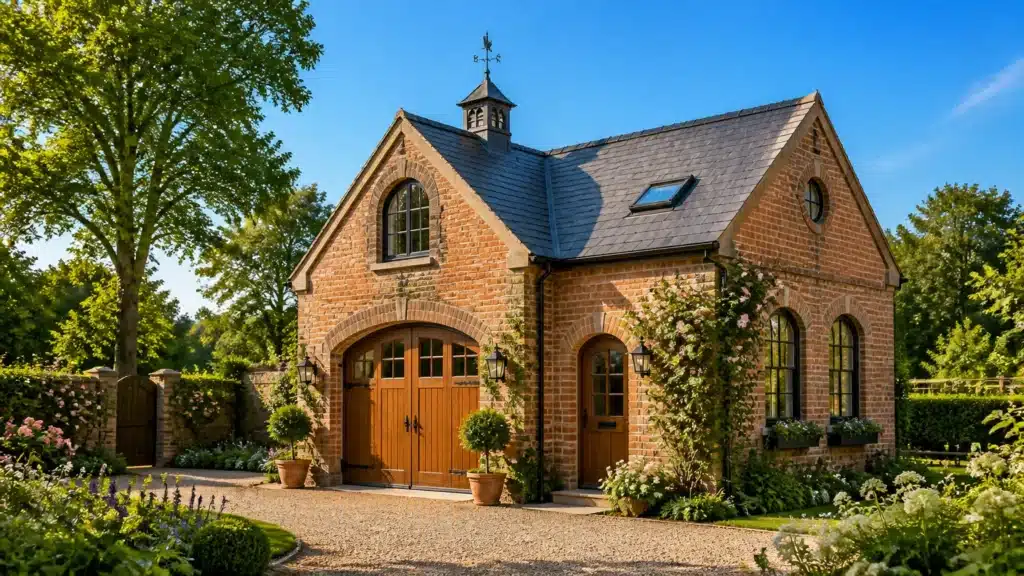

The concept of a coach house may evoke images of antiquated structures, but this perception often overlooks their contemporary appeal. So, what is a coach house? Historically, these buildings served as accommodations for horse-drawn carriages and their attendants. Today, they have evolved into charming, versatile living spaces that blend historical aesthetics with modern functionalities.
In Bristol, coach houses are gaining popularity among home buyers seeking unique properties that offer both character and practicality. These dwellings typically feature open layouts, ample natural light, and often include outdoor spaces, making them ideal for various lifestyles. Their distinct architectural styles add charm to neighborhoods, attracting those who appreciate a touch of history while enjoying modern amenities.
As more buyers recognize the benefits of coach houses, understanding their features and appeal becomes essential for anyone considering a home purchase in this vibrant city.
1. The Historical Context of Coach Houses
Coach houses originated in the 19th century as functional spaces for stabling horses and storing carriages. These structures served affluent households, providing convenient access to transportation. Over time, as urban environments evolved, the role of coach houses shifted from stables to garages, reflecting changing transportation modes.
Architectural features of coach houses have remained consistent throughout the years. Many retain their distinctive brick exteriors, gabled roofs, and large doors, which were originally designed for horse-drawn carriages. Today, these elements contribute to their unique character, making them attractive to modern homebuyers.
In some cities, coach houses have been repurposed into livable spaces, such as guest suites or rental units. This evolution showcases their versatility, allowing them to meet contemporary needs while preserving historical charm. Understanding what a coach house represents offers valuable insights for prospective buyers seeking a blend of history and practicality.
2. Architectural Design and Features
Coach houses exhibit distinctive architectural styles that vary by region, but certain elements remain consistently appealing. Large doors, often used for vehicle access, create an inviting entrance. These expansive entryways enhance functionality and provide a striking visual focal point. High ceilings are another hallmark of coach houses, contributing to an airy and spacious atmosphere that many modern buyers find desirable.
The versatility of these structures is further accentuated by their customizable features. Buyers can transform open floor plans into tailored living spaces, accommodating diverse lifestyles. For instance, some choose to incorporate lofted areas for additional storage or living quarters, maximizing the available square footage. Others may opt for modern kitchens and updated bathrooms, blending historical charm with contemporary conveniences.
Additionally, many coach houses offer unique outdoor spaces, such as patios or gardens, that enhance their livability. These outdoor areas not only provide room for relaxation but also serve as extensions of the home, perfect for entertaining guests or enjoying quiet moments.
Overall, the architectural design and features of coach houses create a compelling option for home buyers seeking a harmonious blend of history and modernity.
3. Advantages of Buying a Coach House
Investing in a coach house offers several unique advantages that appeal to diverse home buyers. One of the most significant benefits is the potential for rental income. With the rise of short-term rental platforms, homeowners can easily convert their coach house into a guest house or rental unit. This additional income stream can significantly offset mortgage payments or provide extra funds for home improvements.
Moreover, coach houses often provide extra living space that can be tailored to meet various needs. Whether you envision a private office, a studio for artistic pursuits, or a cozy guest suite, the versatility of these structures is unmatched. For families, they can also serve as a separate living area for older children or elderly relatives, fostering independence while maintaining close family ties.
In terms of property value, owning a coach house can enhance the overall worth of your real estate investment. Properties with additional dwellings tend to attract buyers looking for flexibility and income potential, making your home more marketable in the future. As home buyers increasingly recognize the benefits of multifaceted living spaces, investing in a coach house can be a strategic decision for those looking to maximize both functionality and financial return.
For those exploring their options, it’s beneficial to also consider similar housing types. You can discover the features and benefits of link detached homes to further enrich your understanding of various property choices.
4. Challenges of Coach House Ownership
Owning a coach house comes with unique challenges that potential buyers should consider. One significant aspect is navigating zoning regulations, which can impact renovations or expansions. Many coach houses are situated in areas with strict historical preservation laws. As a result, any modifications may require special permits, potentially complicating the renovation process.
Maintenance is another critical concern. The distinctive architectural features of coach houses may necessitate specialized upkeep. For instance, older roofs or unique siding materials can be costly to repair or replace. Homeowners must stay vigilant about regular maintenance to prevent deterioration, akin to the challenges faced by field service technicians in managing specialized equipment.
Ultimately, while the charm of a coach house is undeniable, understanding these potential hurdles is essential for informed home buying.
5. Tips for Home Buyers Considering Coach Houses
When considering a coach house, potential buyers should conduct thorough property assessments. Consulting a local handyman can provide insights into the structural integrity and necessary repairs. This step ensures you understand the property’s condition before finalizing your purchase.
Buyers should also inquire about the history of the coach house. Understanding past renovations or restorations can reveal potential issues and highlight valuable features. Questions regarding insulation, plumbing, and electrical systems are essential to gauge long-term livability.
It is important to factor in renovation costs. While a coach house may appear charming, its age may necessitate updates to meet modern standards. Estimate these expenses early on to avoid surprises down the line.
Finally, consider zoning regulations. Some areas may have restrictions on rentals or modifications, which can impact your investment plans. Being well-informed will help ensure that your purchase aligns with your lifestyle and financial goals.
Embracing the Coach House Lifestyle
In conclusion, the unique charm of a coach house makes it an appealing option for home buyers seeking a balance of history and modern convenience. These properties not only offer distinctive architectural styles but also versatile spaces that can adapt to various lifestyle needs, from guest accommodations to home offices.
As you explore available options in Bristol, consider how a coach house could enhance your living experience. The blend of character and functionality may perfectly align with your aspirations for a home. By weighing the advantages and potential considerations, you can make an informed decision that resonates with your lifestyle and investment goals. Embrace the allure of coach houses and discover how they might fit into your next chapter.


