
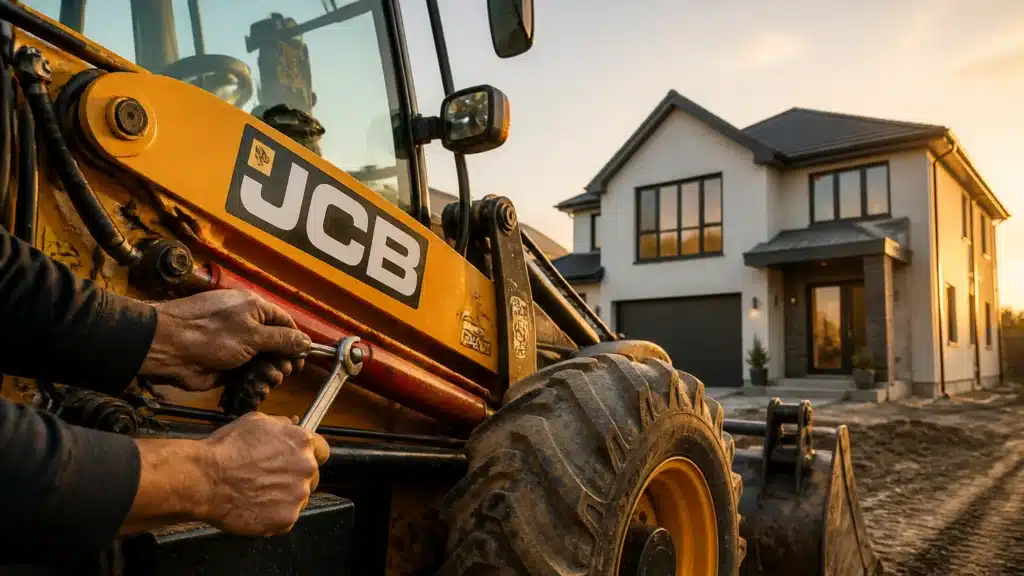

JCB, which stands for Joseph Cyril Bamford, has established itself as a powerhouse in the construction industry. Founded in 1945, this British company has become synonymous with innovation and quality in heavy machinery. Understanding what JCB stands for is particularly relevant for homeowners and businesses in Bristol, as their equipment plays a crucial role in various local projects.
JCB’s reputation for durability and efficiency makes it a preferred choice for contractors and DIY enthusiasts alike. Their range of products, from backhoes to excavators, has transformed how construction and maintenance tasks are approached. For homeowners considering renovations or landscaping, knowing about JCB can guide decisions on hiring equipment or professionals.
Moreover, recognising JCB’s significance can help local businesses make informed choices about the tools they use. Whether for large-scale projects or smaller home improvements, JCB machinery can provide the reliability and performance needed to complete tasks effectively. This article will delve deeper into the history and impact of JCB, offering insights into why this brand is a vital component of the construction landscape in the UK.
The Origins of JCB: A Legacy of Innovation
JCB, which stands for Joseph Cyril Bamford, was founded in 1945 by its namesake, Joseph Cyril Bamford. Initially established in a small garage in Uttoxeter, Staffordshire, the company began by producing agricultural trailers. This humble beginning marked the start of a journey that would lead to revolutionary advancements in construction machinery.
By the 1950s, JCB had made significant strides, introducing the first ever backhoe loader, which combined the power of a loader and a digger in one machine. This innovation set a new standard in the construction industry, allowing for increased efficiency on job sites. As the demand for more versatile equipment grew, JCB continued to develop groundbreaking machinery, solidifying its reputation as a leader in innovation.
Throughout the decades, JCB has consistently embraced technological advancements. The company’s commitment to research and development has resulted in a diverse range of products, including telehandlers and excavators, all designed to meet the evolving needs of construction professionals. Today, JCB is synonymous with quality and reliability, making it a trusted choice for contractors and builders worldwide.
Understanding JCB’s Product Range
JCB offers a comprehensive range of machinery designed to meet the varied demands of construction projects. Among its most iconic products are backhoes and diggers, which are essential for excavation and material handling. These machines excel in both large-scale construction sites and smaller home improvement tasks, ensuring efficiency and effectiveness.
Backhoe loaders, for instance, combine the capabilities of a loader and an excavator. They are perfect for digging trenches and moving earth or debris in residential landscaping projects. Similarly, JCB’s excavators are adaptable, available in various sizes to suit both commercial and domestic needs. Their powerful hydraulic systems enhance performance, allowing for precise control during operations.
In addition to backhoes and excavators, JCB produces telehandlers, which are invaluable for lifting and placing materials in tight spaces. Choosing the right machinery is crucial; it can significantly influence the success and safety of a project. For example, selecting a telehandler for high-lift tasks can save time and reduce strain on workers.
For homeowners and landlords considering maintenance or renovation, understanding the equipment needed is vital. If you’re uncertain about what machinery best fits your project, refer to our guide on What Does a Handyman Do? Exploring Essential Services and Skills. This can help you determine when to hire a professional or tackle the job yourself.
JCB’s Impact on Local Communities
JCB plays a significant role in bolstering local economies, particularly in Bristol and its surrounding areas. By investing in manufacturing facilities and community initiatives, JCB creates numerous job opportunities that ripple through the local economy. These positions not only include direct employment at JCB but also stimulate demand for local suppliers and service providers.
The company’s commitment to enhancing construction practices is evident in its support for training programmes and apprenticeships. These initiatives equip residents with valuable skills, fostering a workforce that is well-prepared for the demands of modern construction. As local contractors adopt JCB machinery, they improve their operational efficiency and project outcomes, which benefits clients and communities alike.
Furthermore, JCB’s presence encourages other businesses to set up shop nearby, increasing competition and innovation. This multifaceted investment in local economies illustrates how JCB not only defines the equipment landscape but also strengthens the fabric of the communities it serves. For those interested in understanding the broader implications of construction roles, exploring resources like What Does a Home Contractor Do? Key Services and Responsibilities Explained can provide valuable insights.
Future Innovations and JCB’s Commitment to Sustainability
JCB is actively embracing sustainability through innovative technology advancements in eco-friendly machinery. The company has developed a range of products, such as electric diggers and hybrid machines, which significantly reduce carbon emissions. These innovations enable contractors to minimise their environmental footprint while maintaining high performance.
For local projects, JCB’s commitment to sustainable practices fosters community engagement. By utilising cleaner, quieter machines, construction activities can proceed with less disruption to nearby residents. Additionally, these eco-friendly options often lead to cost savings in fuel consumption, benefiting both contractors and project owners.
JCB is also investing in research and development to create machinery that aligns with the latest environmental regulations. This proactive approach not only enhances the company’s market position but also promotes responsible construction practices across the industry. For those considering a project, understanding the role of pre-construction planning is essential. Explore more about this in our article on What Are Pre-Construction Services? Essential Steps Before Your Build.
These steps illustrate how JCB is not only a leader in machinery but also a champion of sustainability in construction.
Summarizing JCB’s Role in Construction
In conclusion, JCB stands as a cornerstone of the construction industry, renowned for its innovative machinery and commitment to quality. From excavators to telehandlers, JCB products have transformed both large-scale projects and smaller home improvements, providing the reliability that homeowners and businesses in Bristol need.
The brand’s influence extends beyond equipment; JCB actively promotes sustainability and efficiency in construction practices. By incorporating their advanced technologies, you can enhance your projects while minimising environmental impact.
For anyone considering construction or renovation, JCB’s innovations are worth exploring. Their machinery could be the key to achieving your goals effectively and efficiently.


