
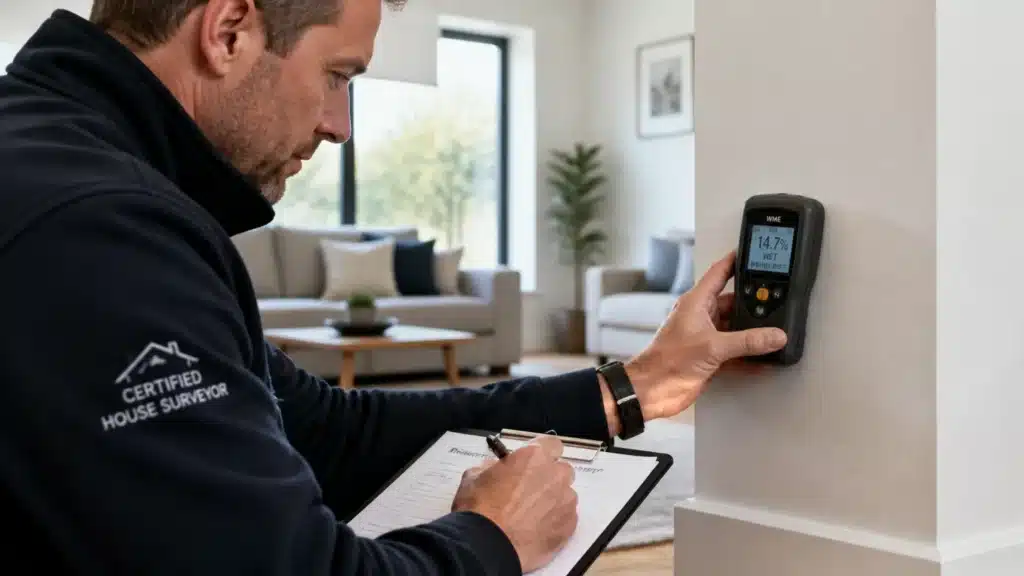

Understanding what a house surveyor checks is crucial for any prospective home buyer. A comprehensive house survey provides essential insights into a property’s condition, helping buyers make informed decisions. This process is not merely a formality; it can uncover issues that may significantly affect the property’s value and future maintenance costs.
A certified surveyor evaluates various aspects of the property, including structural integrity, dampness, and electrical systems. Identifying potential problems early can save buyers from costly repairs down the line. For instance, discovering subsidence or significant damp issues during a survey can be a red flag, allowing you to negotiate repairs or reconsider your purchase.
Moreover, working with a qualified surveyor ensures that the assessment is thorough and accurate. Their expertise enables them to spot issues that an untrained eye might overlook. By prioritising a house survey, you empower yourself with the knowledge needed to navigate the property market wisely. This article will delve deeper into what a house surveyor checks, highlighting the critical elements that every home buyer should consider.
1. Structural Integrity Assessment
A house surveyor’s primary responsibility is to evaluate the structural soundness of a property. They begin by examining the foundations, which are crucial for the overall stability of the home. Any signs of subsidence or heaving can indicate serious issues that may require extensive repairs.
Next, surveyors check the walls for cracks. Horizontal or vertical cracks can suggest deeper structural problems, such as inadequate support or shifting foundations. For example, hairline cracks may be benign, but wider cracks could signal significant concerns that need addressing.
The condition of the roof is also a key focus. A surveyor will assess for signs of wear and potential water damage, such as sagging areas or missing tiles. These issues can lead to leaks, mould, and further deterioration if left unchecked.
Understanding what does a house surveyor check in terms of structural integrity can save home buyers from costly surprises later on. For additional insights into property maintenance, consider reading our article on What Does a Boiler Service Include? Essential Maintenance Checklist for Homeowners.
2. Electrical System Evaluation
A comprehensive electrical system evaluation is a crucial part of a house survey. Surveyors meticulously assess the condition of wiring and circuit breakers to ensure safety and compliance with current regulations. Outdated wiring systems, such as those using rubber insulation or with insufficient earthing, can pose significant hazards, including fire risks.
During the evaluation, surveyors will check for signs of wear, damage, or improper installations. They will verify that the electrical components meet the latest British Standards, ensuring that the system can safely handle modern energy demands. For example, if a property has an old fuse box, it may not adequately protect against electrical surges, necessitating costly upgrades.
Additionally, the surveyor will examine the presence of RCDs (Residual Current Devices), which are essential for preventing electric shocks. By identifying potential issues early, you can make informed decisions about repairs or upgrades, ultimately safeguarding your investment and peace of mind.
3. Plumbing and Heating Inspection
A crucial aspect of a house survey involves the plumbing and heating inspection. Surveyors meticulously check for leaks in pipes, which can lead to significant water damage if left unaddressed. They assess water pressure to ensure it meets adequate standards, vital for both comfort and functionality.
In addition to plumbing, the surveyor evaluates the heating system’s functionality and safety. This includes inspecting boilers, radiators, and any underfloor heating solutions. Ensuring these systems operate efficiently not only enhances home comfort but also reduces energy costs.
Potential issues, such as outdated or unserviced heating systems, can pose safety risks. By identifying these concerns early, home buyers can make informed decisions about necessary repairs or upgrades, ensuring that their investment is protected. Understanding what a house surveyor checks in this area is essential for a smooth home-buying process.
4. Condition of Interiors and Exteriors
A thorough assessment of both the interior and exterior conditions is crucial during a house survey. Surveyors meticulously inspect walls, floors, and ceilings for any signs of damp or mould, which can indicate underlying issues such as poor ventilation or water ingress. For instance, stains on ceilings or walls may signal leaks from plumbing or roofing.
Externally, surveyors evaluate the durability of materials like brickwork and siding. They check for cracks, weathering, and signs of deterioration that could compromise the home’s structural integrity. A well-maintained exterior not only enhances curb appeal but also protects against moisture and pests.
Additionally, outdoor spaces, such as patios and driveways, are assessed for uneven surfaces or drainage concerns. These factors can affect both safety and maintenance costs over time. Addressing any identified problems early can save home buyers from significant repair expenses in the future.
5. Legal and Compliance Checks
A thorough house survey includes essential legal and compliance checks. Surveyors verify that any renovations or alterations have the necessary planning permissions. This is crucial, as properties without proper approvals can lead to significant legal headaches for future owners.
For example, if a homeowner has added an extension without planning permission, the local council may require it to be removed. This not only incurs costs but can also affect property value. Ensuring compliance safeguards your investment and provides peace of mind.
Additionally, surveyors check for adherence to building regulations. This includes assessing structural safety and energy efficiency standards. A property that meets these regulations is more likely to be a sound investment.
Understanding the legal aspects of property ownership is vital. For further assistance, consider consulting a professional handyman to address any compliance-related repairs or modifications. For more information on selecting the right professional, explore Understanding the Field Service Technician Definition.
The Value of a House Survey
In conclusion, a house survey is an invaluable tool for prospective buyers. It provides critical insights into the property’s condition, helping you identify potential issues that an untrained eye might overlook. By understanding what a house surveyor checks—such as structural integrity, electrical safety, and drainage concerns—you can make informed decisions that protect your investment.
Prioritising a thorough house survey not only enhances your negotiating power but also ensures peace of mind. To safeguard your investment and avoid costly surprises, always hire qualified surveyors with a proven track record. With the right information, you can navigate the property market confidently and secure a home that meets your needs.


