
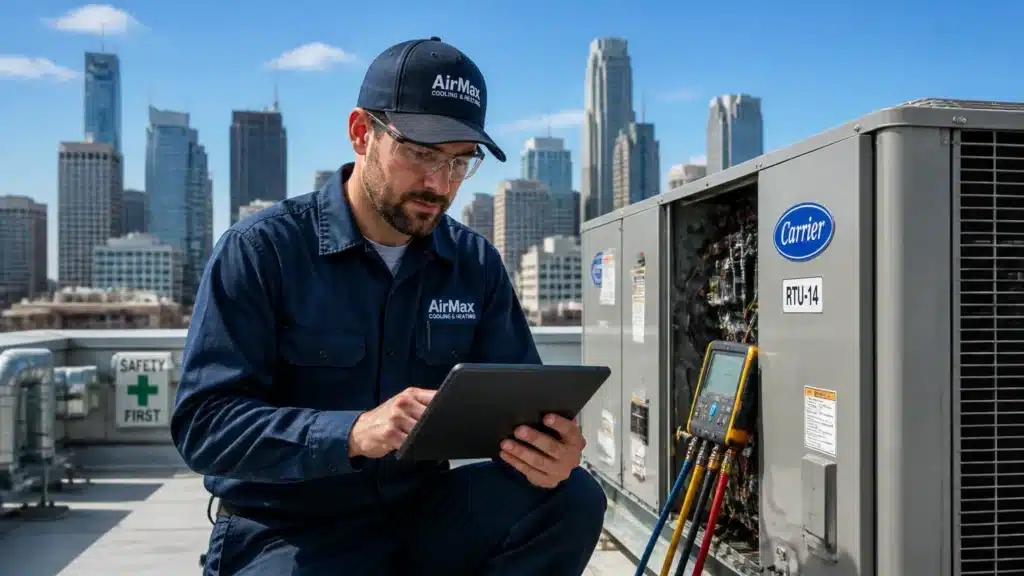

In today’s fast-paced world, the role of a field service technician has become increasingly vital across various industries. These skilled professionals are the backbone of both residential and commercial settings, ensuring that essential systems and appliances operate efficiently. From HVAC systems in homes to complex machinery in manufacturing facilities, their expertise is crucial in maintaining functionality and preventing costly downtimes.
A field service technician is defined as a specialist who travels to a client’s location to install, repair, or maintain equipment and systems. This hands-on approach not only supports homeowners in keeping their appliances running smoothly but also enhances operational efficiency for businesses. For instance, when a technician swiftly resolves a malfunctioning air conditioning unit, they not only restore comfort but also prevent potential energy waste and associated costs.
As industries increasingly rely on technology, the demand for field service technicians continues to grow. Their role extends beyond mere repairs; they provide valuable insights and preventive maintenance, contributing significantly to long-term asset management. Understanding the responsibilities and skills of these technicians reveals their essential contribution to both everyday life and industry operations.
Definition of a Field Service Technician
A field service technician is a skilled professional responsible for the installation, maintenance, and repair of equipment and systems across various sectors. These sectors include HVAC (heating, ventilation, and air conditioning), plumbing, and electrical services, among others. Their role is crucial in ensuring that systems operate efficiently and safely, directly impacting customer satisfaction and operational reliability.
Field service technicians typically possess a blend of technical skills and problem-solving abilities. Many enter the profession through specialized training programs or apprenticeships that provide hands-on experience. Common educational paths include vocational training or associate degrees in relevant fields, such as electrical technology or HVAC systems.
Certifications play a significant role in establishing credibility in this profession. For instance, HVAC technicians often obtain certifications from organizations like the Environmental Protection Agency (EPA) or the North American Technician Excellence (NATE). Similarly, electricians may pursue state licensing, demonstrating their knowledge of electrical codes and safety standards.
Overall, the field service technician definition encompasses a diverse range of responsibilities, requiring a solid educational foundation and relevant certifications to meet the demands of their specialized industries. Whether working on a residential HVAC unit or a complex industrial electrical system, these technicians ensure that essential services remain operational and efficient.
Key Responsibilities of a Field Service Technician
Field service technicians play a pivotal role in ensuring the functionality of various systems across multiple industries. Their primary responsibilities encompass installation, maintenance, and repair tasks that are crucial for operational efficiency.
One of the foremost duties is the installation of equipment and systems, which requires not only technical knowledge but also adherence to safety standards. For instance, when installing a new HVAC system, a technician must ensure proper setup and calibration for optimal performance.
Maintenance is another critical responsibility. Technicians conduct routine inspections and preventive maintenance to prolong the lifespan of equipment. This proactive approach helps identify issues before they escalate, protecting both assets and budgets. For example, regular servicing of medical imaging equipment can prevent costly downtime and enhance patient care.
Repair tasks are often urgent and require immediate attention. Field service technicians must diagnose problems quickly and implement effective solutions. Their ability to troubleshoot complex issues using analytical skills is essential. For instance, if a manufacturing robot malfunctions, a technician must determine the root cause and execute repairs swiftly to minimize production loss.
Problem-solving is a cornerstone of a field service technician’s role. They encounter various challenges daily, from software glitches to mechanical failures. Their expertise enables them to devise innovative solutions tailored to specific situations. For example, if a technician discovers that a software update is causing equipment errors, they can revert changes or implement a workaround to restore functionality.
In summary, the responsibilities of a field service technician are diverse and demanding. Their expertise in installation, maintenance, and repair, coupled with strong problem-solving skills, makes them indispensable in maintaining operational continuity across industries.
Skills Required for Field Service Technicians
Field service technicians must possess a unique blend of technical and interpersonal skills to excel in their roles. Technical proficiency is paramount, as these professionals often work on specialized mechanical systems. For instance, a technician servicing HVAC systems must understand refrigeration cycles, electrical components, and programmable thermostats. Their ability to diagnose issues quickly and implement effective solutions directly impacts the efficiency and functionality of the systems they maintain.
Additionally, knowledge of specific industry standards and safety regulations is crucial. Technicians working with industrial machinery must be familiar with OSHA guidelines and equipment safety protocols. This technical expertise enables them to troubleshoot complex problems, ensuring compliance and minimizing downtime for businesses.
Interpersonal skills are equally important for field service technicians. Effective customer interaction can significantly enhance service quality and client satisfaction. Technicians often serve as the face of the company, requiring them to communicate clearly and professionally with customers. For example, explaining a technical problem in layman’s terms helps build trust and fosters a positive client relationship.
Active listening is another critical interpersonal skill. By attentively understanding customer concerns, technicians can address specific needs and provide tailored solutions. This rapport not only improves customer satisfaction but also encourages repeat business and referrals.
In summary, a successful field service technician combines strong technical abilities with excellent interpersonal skills. This dual skill set ensures they can effectively resolve issues while maintaining positive relationships with clients, ultimately contributing to the overall success of their organization.
The Importance of Field Service Technicians in Bristol
Field service technicians play a crucial role in maintaining the functionality of home systems in Bristol. The local climate, characterized by its damp winters and humid summers, poses unique challenges for homeowners. These conditions can lead to issues such as mold growth in HVAC systems or increased wear on plumbing. As a result, the demand for skilled technicians who understand these specific challenges has risen significantly.
Local technicians tailor their services to meet the community’s needs by providing specialized solutions. For instance, they often recommend preventative maintenance schedules that account for Bristol’s weather patterns. Regular inspections and timely repairs not only enhance system efficiency but also extend the lifespan of essential equipment.
Moreover, field service technicians in Bristol are adept at working with a variety of home systems, from heating and cooling units to electrical installations. Their ability to quickly diagnose problems and implement effective solutions is vital for ensuring that households remain comfortable year-round.
The technicians also engage with the community to educate homeowners about best practices for system care. This proactive approach helps prevent minor issues from escalating into costly repairs, thereby supporting the overall well-being of the local population.
In summary, field service technicians are indispensable in Bristol, as they provide tailored services that directly address the specific needs of the area. Their expertise not only resolves immediate concerns but also fosters long-term homeowner satisfaction and peace of mind.
Hiring a Field Service Technician: What to Consider
When hiring a field service technician, it is essential to evaluate their qualifications and experience thoroughly. Begin by assessing their educational background and any relevant certifications. For instance, technicians in the HVAC sector often hold certifications from recognized bodies, ensuring they meet industry standards.
Customer reviews offer valuable insights into a technician’s reliability and workmanship. Look for feedback on platforms such as Yelp or Google Reviews. Positive testimonials indicate a history of satisfied clients, while negative reviews can highlight potential red flags.
Familiarity with Bristol-area regulations is another critical factor. Local codes can vary significantly, impacting installation and maintenance practices. A technician well-versed in these regulations will ensure compliance, avoiding costly fines or project delays.
Additionally, consider their responsiveness and communication skills. A qualified technician should be prompt in addressing inquiries and transparent about service costs. This level of professionalism contributes to a smoother service experience.
Lastly, ask for references from previous clients. Speaking directly to those who have utilized their services can provide further assurance of their capabilities and work ethic. By taking these steps, homeowners and businesses can make informed decisions when hiring a field service technician.
The Value of Reliable Field Service Technicians
Field service technicians play a crucial role in ensuring the reliability and efficiency of systems that affect both households and businesses in Bristol. Their expertise not only addresses immediate repair needs but also enhances overall safety and functionality. For instance, a skilled technician performing routine maintenance on a heating system can prevent costly breakdowns and ensure a comfortable living environment.
Moreover, these professionals offer valuable insights that help homeowners and businesses optimize their operations. By identifying potential issues before they escalate, field service technicians contribute to long-term asset management and efficiency. This proactive approach not only saves time and money but also fosters peace of mind for clients who can trust their systems are in capable hands.
In today’s fast-paced world, engaging the services of a qualified field service technician is essential. Whether you require assistance with plumbing, electrical work, or HVAC systems, the knowledge and skills of these technicians ensure that your needs are met efficiently. Their commitment to customer satisfaction strengthens the relationship between service providers and clients, making them invaluable assets in any operational landscape.
In conclusion, the definition of a field service technician encompasses far more than just repair work; it signifies a commitment to maintaining safety and efficiency in our homes and businesses. Therefore, we encourage readers to consider professional services for their maintenance needs. By doing so, you not only uphold the integrity of your systems but also invest in the overall well-being of your environment.


